
Brazen Crimes
When currencies lose their value, parks lose statues

If you read the British papers you’ll have seen that four people managed to steal the bronze statue of boxer Teddy Baldock from London’s Langdon Park yesterday. I’m afraid this sort of thing is to be expected in an inflationary age.
Hans Ostwald, A Moral History of the Inflation (my translation), pp. 22-23:
During the inflation, every little item, especially raw materials, took on an incredibly high value. In the controlled economy, the most basic foodstuffs were available for fractions of a cent. Currency depreciation had made rent nearly meaningless. Eventually it cost about as much to rent a two room apartment for a year as it used to for a week. But copper and bronze had great value. They had to be purchased from abroad at a high price.
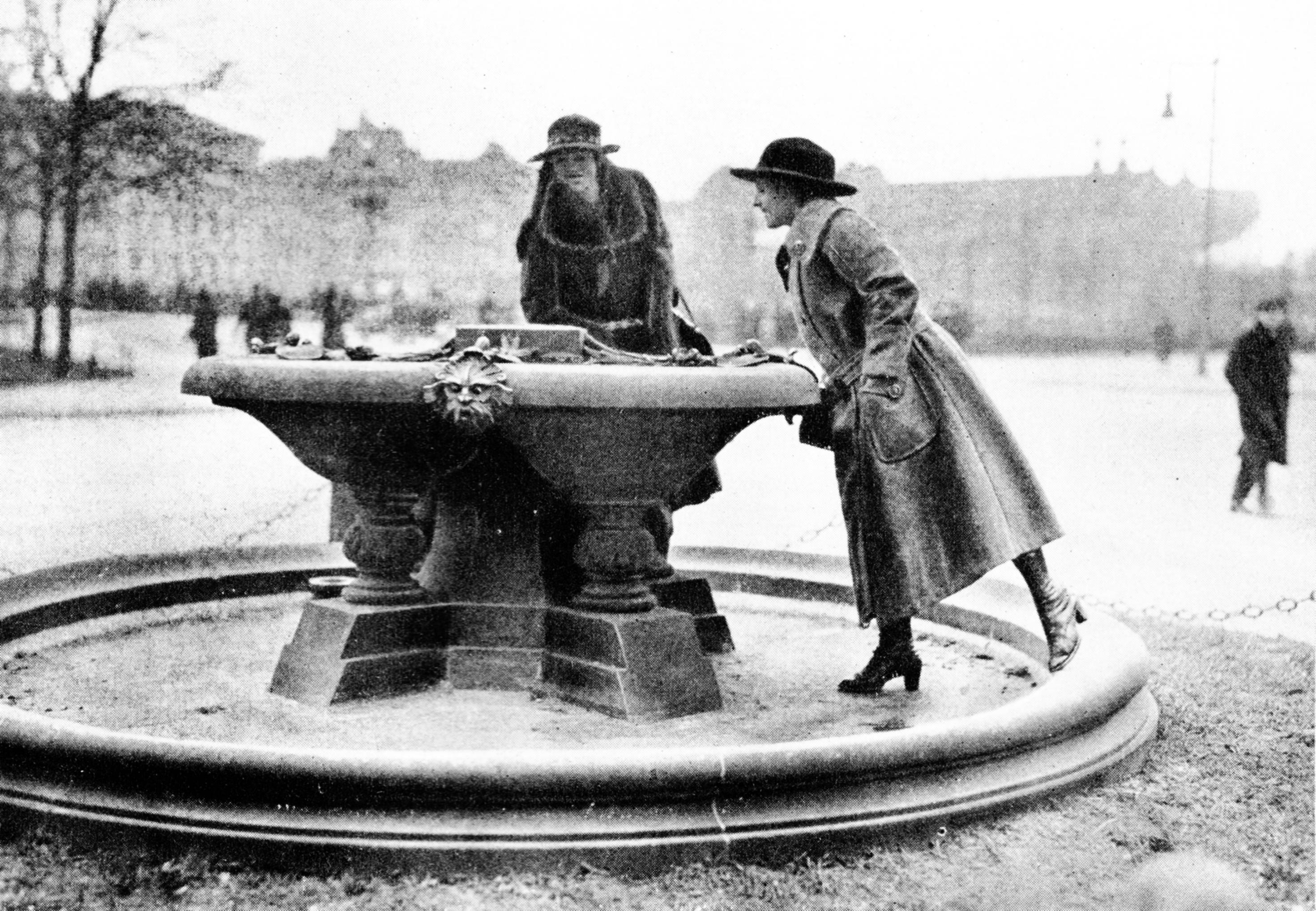
As a result, the brass door handles and rods that held down carpets were stolen, and soon even the carpets themselves disappeared. Towards the end of the inflationary period, thieves risked going after public monuments, and prudent municipalities had some of their monuments locked away in warehouses. Thieves even stooped so low as to rob graves. In Stahnsdorf they stole metal funerary urns, and in the St. Paul cemetery on Berlin’s Seestraße, a woman who was there praying saw people carry off a bronze monument that weighed three hundred pounds. They stole metal grave fences and borders everywhere. Yes, even the manhole covers that were above the sewers appealed to the metal thieves. Couplings and leather straps were stolen from railway cars, and the plush covers were even cut away from the seats; some people went about wearing trousers that had the same pattern as railway upholstery.
If you would like to know more about Hans Ostwald’s account of the economic turmoil in Germany during the 1920s, you can watch this brief video or read this review in the Times Literary Supplement (paywalled).