
The Second Battle of the Aisne
Rudolf Koch's company is cut off, and the situation seems hopeless.

The German typographer Rudolf Koch (1876–1934) wrote a memoir about his experiences during the First War. I am translating it into English and sharing a few excerpts from my first draft as I go. You can find them all here.
19 April 1917
We never really understood why we were not attacked head-on. Either the enemy had overestimated our strength and wanted to surround us, which in fact they almost succeeded in doing, or our location was within range of machine guns that might have been located to the rear; we were unable to see them, but they could have been covering this very area. A few brave souls scaled the embankment, but almost all of them were shot down by a French machine gun that had already been set up on the bridge. It was a wretched thing to see these brave men defy death and climb up only to sink down and fall like puppets with their limbs dangling. Many a dashing soldier lost his life there. One of our best officers, a man who had been awarded the Iron Cross 1st Class, also went up the embankment. He was shot in the stomach when he reached the top.
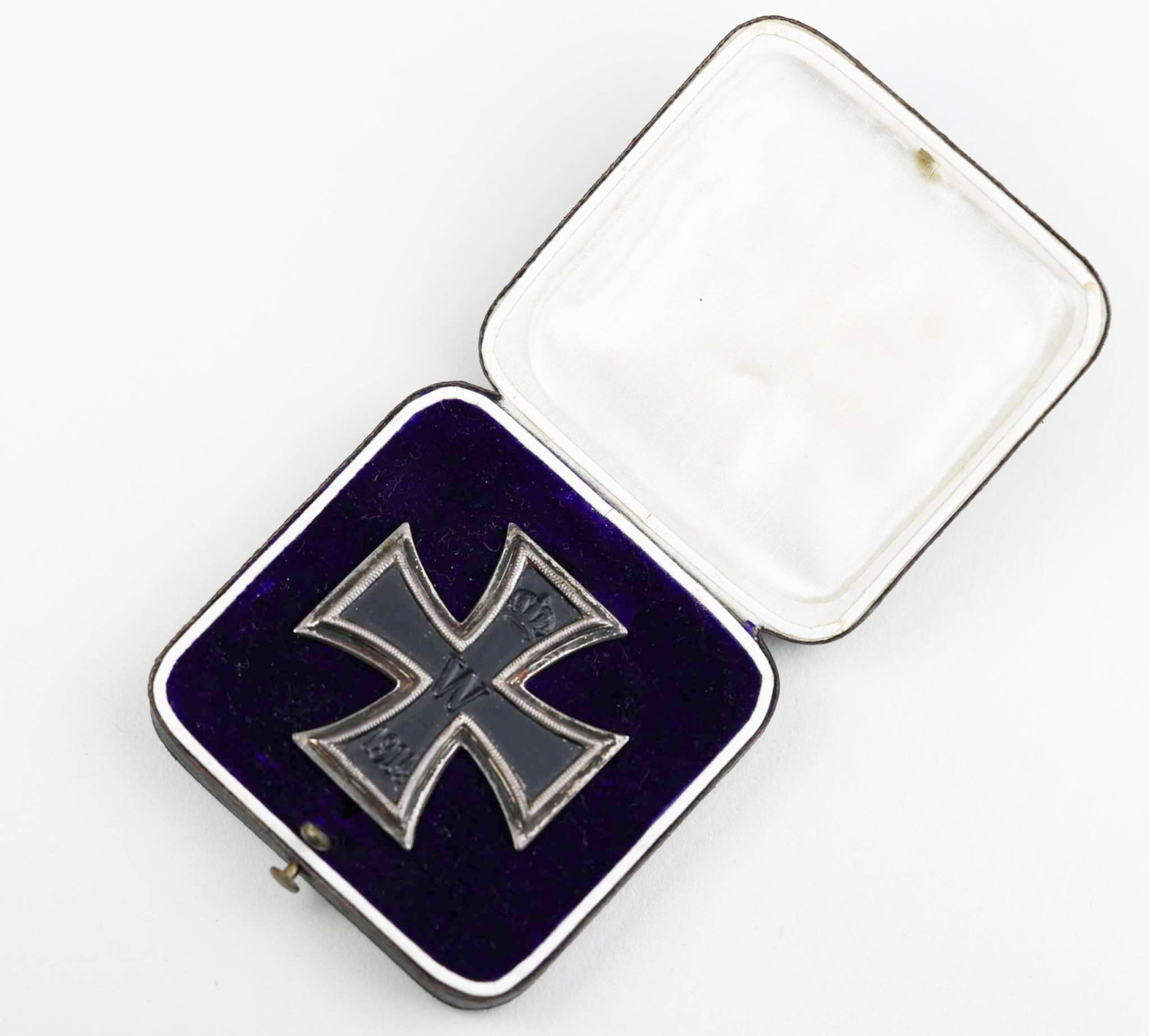
We saw the poor man lying there, and we waved and shouted at him to stay still. He tried to crawl back, but the slope was very steep and he would have certainly tumbled to his death. One of our medics decided to climb up after him, under heavy fire, just to unbuckle his belt and persuade him to stay where he was for the time being. He remained lying there, and it seemed to us that he was too quiet; in fact he died after a short while. I had never spoken a word to him, but I was deeply impressed by the calm, confident, and free spirit of this heroic type and, along with the whole company, I mourned him as I have seldom mourned anyone else. The medic was a great braggart and a loudmouth, but I have never forgotten that last good deed he did for his comrade.
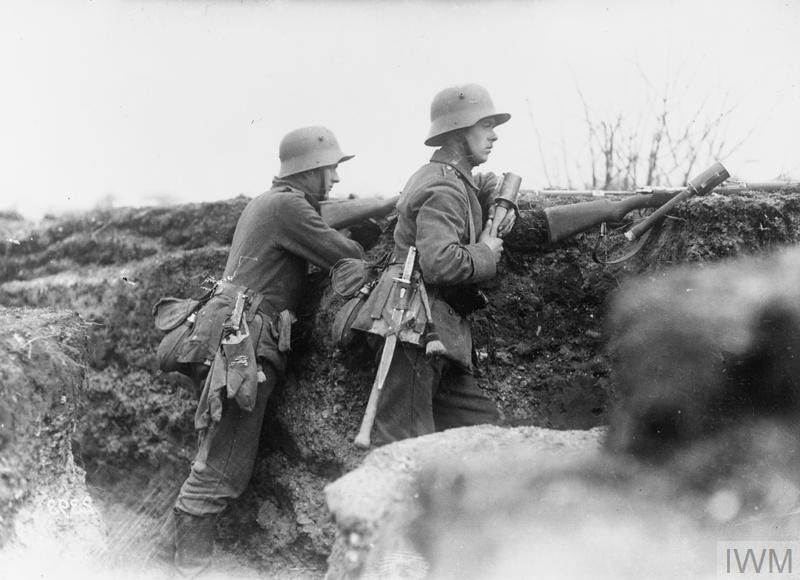
The seriously wounded rushed into the dugout, shouting for the medic; it was utter chaos. Anyone who found a position from which he could shoot took it and fired as fast as he could; the machine guns worked incessantly. Whenever a rifleman fell dead, his replacement would move up. The losses mounted with every passing minute.
The enemy’s advance soon slowed, and we saw that a few of them were beginning to retreat. We could only fire at the ravine to our right and left, and had no idea what was happening in front of us, or behind us. That was the dangerous thing about our position, which was truly desperate. We were completely cut off. Two of the machine guns had been damaged, and only one was still firing. We had already sent up the red flares to call for help, and apparently nobody had noticed. Now we were sending up white flares, which may have been misinterpreted. It appeared likely that we would be captured, and the lieutenant shouted that we were not to make it easy for them.
Substack may force UK residents to log in to read this “violent” post. To avoid this inconvenience, I believe the easiest workaround is to follow via RSS:
https://blog.oboluspress.com/feed
I like the FeedFlow app. It works on desktops (including Linux), Android, and Apple.
The Obolus Press publishes the kind of books you won’t find anywhere else: works that have never been translated into English, literary and philosophical texts that have fallen out of print, and monographs about neglected European artists.
Recovering what mainstream publishing abandoned. We sell directly to readers, not through Amazon. Order at www.oboluspress.com